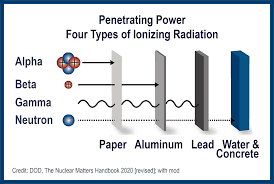
Atomic technology is one of the most powerful scientific advancements in modern history. It is based on the understanding and manipulation of the atom—the smallest unit of matter. Over time, scientists have discovered how atomic energy can be harnessed and applied in various fields, from medicine to energy production. Today, atomic technology plays a crucial role in shaping our world and improving human life.
But have you ever wondered how something so small can have such a massive impact? Let’s explore the major applications of atomic technology in a simple and engaging way.
What is Atomic Technology?
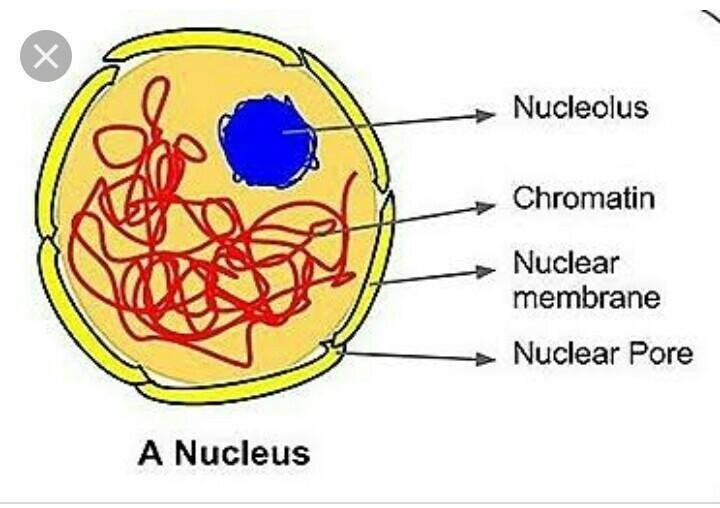
Atomic technology refers to the use of nuclear reactions—such as fission and fusion—to generate energy or perform specific tasks. It mainly involves the nucleus of an atom, which contains a tremendous amount of energy.
There are two main types of nuclear reactions:
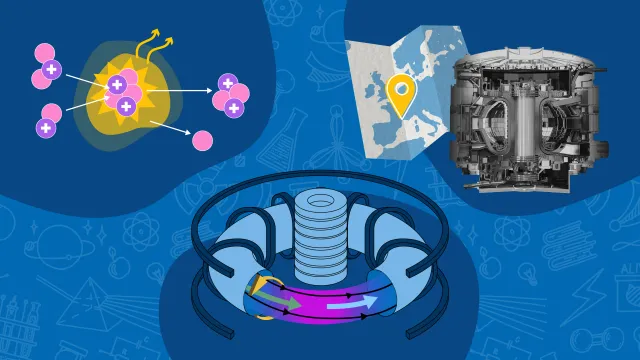
- Nuclear fission: Splitting of a heavy atom into smaller atoms, releasing energy
- Nuclear fusion: Combining two light atoms to form a heavier atom, also releasing energy
These reactions are the foundation of most atomic applications we see today.
1. Energy Production
One of the most important uses of atomic technology is in the generation of electricity. Nuclear power plants use nuclear fission to produce heat, which is then used to generate steam and drive turbines.
Benefits of Nuclear Energy:
- Produces large amounts of electricity
- Low greenhouse gas emissions
- Reliable and continuous power supply
Countries like the United States, China, and France rely heavily on nuclear energy to meet their electricity needs.
However, nuclear energy also comes with challenges such as radioactive waste management and the risk of accidents. Despite this, it remains a key alternative to fossil fuels.
2. Medical Applications
Atomic technology has revolutionized the field of medicine. It is widely used for diagnosis, treatment, and research.
Common Uses in Medicine:
- Cancer treatment (Radiotherapy): Radiation is used to destroy cancer cells
- Medical imaging: Techniques like PET scans and CT scans help doctors detect diseases
- Sterilization: Radiation is used to sterilize medical equipment
Isn’t it amazing that the same energy used in power plants can also save lives?
3. Agriculture and Food Industry
Atomic technology also plays a vital role in improving agriculture and food production.
Applications in Agriculture:
- Development of high-yield crops
- Pest control using radiation
- Food preservation through irradiation
Food irradiation helps kill harmful bacteria, increasing the shelf life of food products without affecting their quality. This is especially useful in countries facing food shortages.
4. Industrial Applications
Industries use atomic technology for various purposes to improve efficiency and safety.
Examples:
- Quality control in manufacturing
- Detection of leaks in pipelines
- Measurement of thickness and density of materials
These applications help industries maintain high standards and reduce waste.
5. Scientific Research
Atomic technology is essential for scientific discoveries and research.
Scientists use nuclear reactors and particle accelerators to study:
- Structure of matter
- Behavior of atoms
- Fundamental forces of nature
This research has led to many technological advancements and a deeper understanding of the universe.
6. Space Exploration
Atomic technology is also used in space missions. Spacecraft use nuclear power sources to operate in environments where solar energy is not sufficient.
Uses in Space:
- Powering satellites and spacecraft
- Long-duration space missions
- Exploration of distant planets
For example, NASA uses radioisotope thermoelectric generators (RTGs) to power missions to Mars and beyond.
7. Defense and Military
Atomic technology has significant applications in defense. Nuclear weapons are the most powerful weapons ever created, capable of massive destruction.
While these weapons act as a deterrent and maintain global power balance, they also pose serious ethical and security concerns.
This is why many international agreements focus on limiting nuclear weapons and promoting peaceful uses of atomic technology.
Advantages of Atomic Technology
Let’s quickly look at the major advantages:
- High energy output
- Low carbon emissions
- Wide range of applications
- Supports medical and scientific progress
Disadvantages of Atomic Technology
Despite its benefits, atomic technology has some drawbacks:
- Radioactive waste disposal issues
- Risk of nuclear accidents
- High initial setup cost
- Potential misuse in weapons
Balancing these advantages and disadvantages is crucial for the safe use of atomic technology.
Future of Atomic Technology
The future of atomic technology looks promising. Scientists are working on safer and more efficient methods, such as nuclear fusion, which could provide unlimited clean energy.
Innovations in small modular reactors (SMRs) and advanced safety systems are also making nuclear power more accessible and secure.
Can atomic technology solve the global energy crisis? Many experts believe it can play a major role.
Conclusion
Atomic technology is a powerful tool that has transformed many aspects of human life. From generating electricity to treating diseases and exploring space, its applications are vast and impactful.
While it comes with certain risks, responsible use and continuous advancements can ensure that atomic technology benefits humanity in the best possible way.
In the end, it’s not just about the power of atoms—it’s about how wisely we choose to use that power.