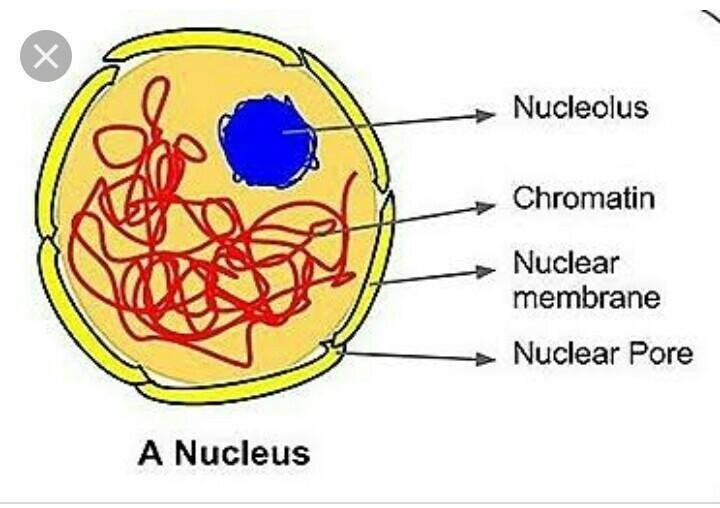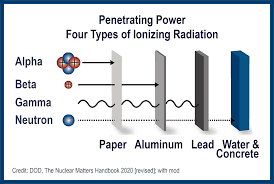
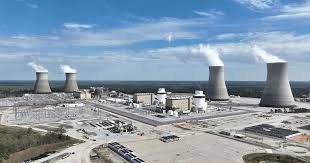
Nuclear energy technology is one of the most powerful and advanced forms of energy generation in the modern world. It is based on the energy stored within the nucleus of an atom. When this energy is released through nuclear reactions, it can be used to produce electricity, power industries, and support scientific research.
But what makes nuclear energy so special? And why are countries investing heavily in it? Let’s explore everything in a simple, clear, and engaging way.
What is Nuclear Energy Technology?
Nuclear energy technology refers to the methods and systems used to generate energy from atomic nuclei. This energy is released through two main processes:
- Nuclear fission – splitting a heavy atom (like uranium) into smaller atoms
- Nuclear fusion – combining light atoms (like hydrogen) to form a heavier atom
Currently, most nuclear power plants use fission because it is easier to control and implement.
How Nuclear Power Plants Work
Have you ever wondered how a nuclear power plant actually produces electricity?
Here’s a simple breakdown:
- Nuclear fission occurs in the reactor
- Heat is released from the reaction
- Water turns into steam
- Steam spins a turbine
- The turbine powers a generator
- Electricity is produced
This process is similar to traditional power plants, but instead of burning coal or gas, nuclear reactions provide the heat.
Key Components of Nuclear Technology
To understand nuclear energy better, let’s look at its main components:
1. Nuclear Reactor
The heart of the system where fission takes place.
2. Fuel (Uranium/Plutonium)
Used to produce energy through nuclear reactions.
3. Control Rods
These regulate the reaction and prevent overheating.
4. Coolant
Helps transfer heat away from the reactor.
5. Containment Structure
A strong building that prevents radiation leakage.
Each part plays a crucial role in ensuring safety and efficiency.
Applications of Nuclear Energy Technology
Nuclear technology is not just limited to electricity generation. It has many important applications.
1. Electricity Generation
This is the most common use of nuclear energy. Nuclear power plants generate large amounts of electricity with very low carbon emissions.
Why is this important?
Because the world is facing climate change, and cleaner energy sources are needed.
2. Medical Field
Nuclear technology has revolutionized healthcare.
Uses include:
- Cancer treatment (radiotherapy)
- Diagnostic imaging (CT scans, PET scans)
- Sterilization of medical tools
Millions of lives are saved every year because of nuclear medicine.
3. Agriculture
Nuclear techniques help improve food production.
Examples:
- Developing disease-resistant crops
- Controlling pests
- Improving soil quality
This is especially helpful in countries with food shortages.
4. Industrial Uses
Industries use nuclear technology for:
- Detecting leaks in pipelines
- Measuring thickness of materials
- Quality control
It helps make processes more accurate and efficient.
5. Space Exploration
Nuclear energy is used in space missions where solar energy is not enough.
Spacecraft use nuclear-powered systems to:
- Travel long distances
- Operate in extreme environments
- Power scientific instruments
Advantages of Nuclear Energy Technology
Nuclear energy offers several major benefits:
1. High Energy Output
A small amount of fuel produces a huge amount of energy.
2. Low Carbon Emissions
It does not release greenhouse gases like fossil fuels.
3. Reliable Energy Source
Unlike solar or wind, it works continuously.
4. Reduces Dependence on Fossil Fuels
Helps countries achieve energy independence.
Disadvantages of Nuclear Energy Technology
Despite its advantages, nuclear energy also has challenges.
1. Radioactive Waste
Waste remains dangerous for thousands of years.
2. High Cost
Building nuclear power plants is expensive.
3. Risk of Accidents
Although rare, accidents can be devastating.
4. Security Concerns
Nuclear materials can be misused.
Safety Measures in Nuclear Technology
Safety is a top priority in nuclear energy systems.
Important Safety Features:
- Multiple containment layers
- Emergency shutdown systems
- Regular inspections
- Strict international regulations
Organizations like the International Atomic Energy Agency (IAEA) ensure global nuclear safety standards.
Future of Nuclear Energy Technology
The future of nuclear energy is very promising.
1. Nuclear Fusion
Scientists are working on fusion, which could provide unlimited clean energy.
2. Small Modular Reactors (SMRs)
These are smaller, safer, and more affordable reactors.
3. Advanced Safety Systems
New technologies are making nuclear plants even safer.
4. Clean Energy Transition
Nuclear energy will play a major role in reducing global warming.
Can nuclear energy replace fossil fuels completely? Maybe not entirely—but it will definitely be a key part of the solution.
Nuclear Energy vs Renewable Energy
Let’s compare nuclear energy with renewable sources:
| Feature | Nuclear Energy | Renewable Energy |
|---|---|---|
| Reliability | High | Depends on weather |
| Emissions | Low | Very low |
| Cost | High setup | Moderate |
| Energy Output | Very high | Medium |
Both have their importance, and a mix of energy sources is the best approach.
Conclusion
Nuclear energy technology is a powerful and essential part of modern science and industry. It provides clean, reliable energy and supports advancements in medicine, agriculture, and space exploration.
While it comes with certain risks, continuous innovation and strict safety measures are making it safer and more efficient than ever before.
In a world facing energy challenges and climate change, nuclear technology stands as a strong and promising solution.