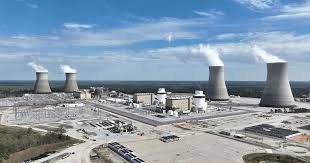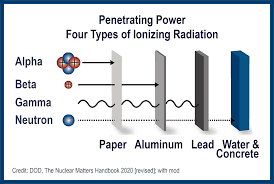
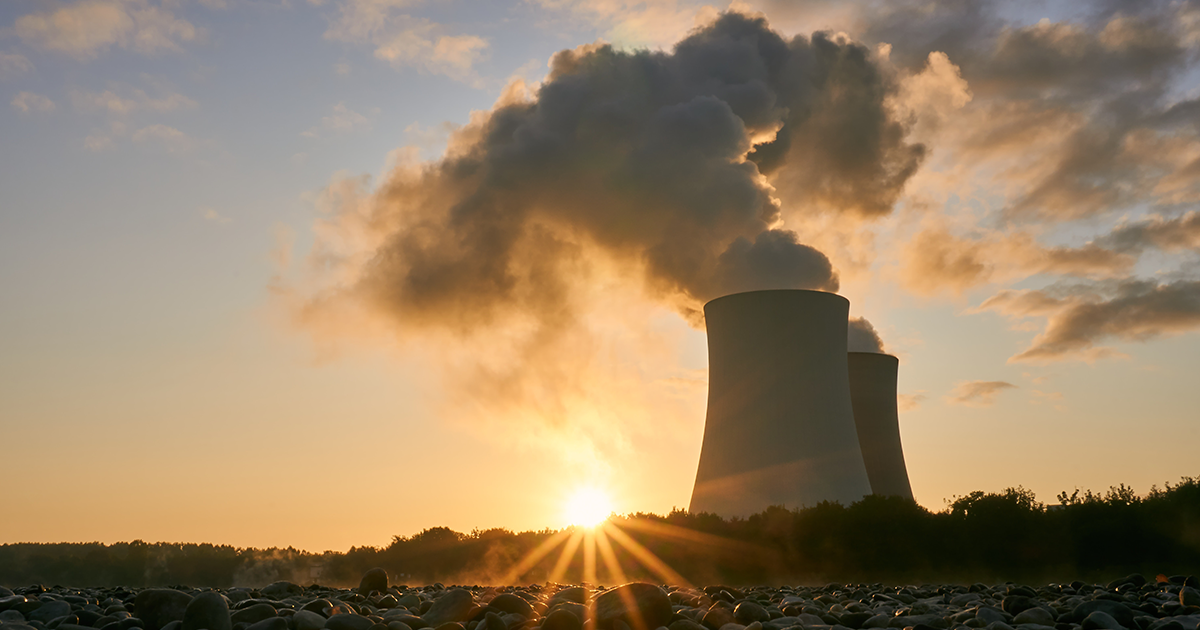
Atomic energy, commonly known as nuclear energy, is one of the most powerful and controversial energy sources in the world. It is generated from the nucleus of atoms through nuclear reactions such as fission and fusion. Over the past decades, atomic energy has played a vital role in electricity production, medical advancements, and scientific research.
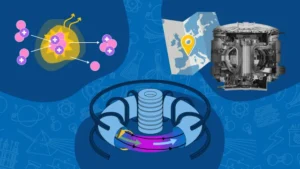
But here’s the big question: Is atomic energy more beneficial or more dangerous? Let’s explore both sides in a clear, simple, and engaging way.
What is Atomic Energy?
Atomic energy is the energy stored in the nucleus of an atom. This energy is released when atoms undergo nuclear reactions.
Two Main Types of Nuclear Reactions:
- Nuclear fission: Splitting of heavy atoms like uranium into smaller atoms
- Nuclear fusion: Combining light atoms like hydrogen to form a heavier atom
Currently, nuclear power plants mainly use fission because it is easier to control.
Benefits of Atomic Energy
Atomic energy offers several powerful advantages that make it an important part of modern energy systems.
1. Massive Energy Production
One of the biggest benefits is the huge amount of energy it produces.
- A small amount of uranium can generate large amounts of electricity
- Much more efficient than fossil fuels
This makes nuclear energy ideal for meeting global energy demands.
2. Low Carbon Emissions
Unlike coal and oil, atomic energy produces very low greenhouse gas emissions.
- Helps reduce global warming
- Supports clean energy initiatives
- Does not release CO₂ during operation
This makes it a key solution in fighting climate change.
3. Reliable and Stable Energy Source
Have you ever noticed how solar panels don’t work at night?
Atomic energy doesn’t have this problem.
- Provides continuous electricity
- Not affected by weather
- Works 24/7
This reliability is essential for industries and cities.
4. Reduces Dependence on Fossil Fuels
Atomic energy helps countries reduce reliance on:
- Oil
- Gas
- Coal
This improves energy security and reduces import costs.
5. Medical Applications
Atomic technology has revolutionized healthcare.
- Cancer treatment (radiotherapy)
- Diagnostic imaging (PET scans, CT scans)
- Sterilization of equipment
It has saved millions of lives worldwide.
6. Industrial and Agricultural Uses
Atomic energy is used in many industries.
Industry:
- Leak detection
- Material testing
- Quality control
Agriculture:
- Improved crop varieties
- Pest control
- Food preservation
These uses increase efficiency and productivity.
Risks of Atomic Energy
Despite its advantages, atomic energy also comes with serious risks.
1. Radioactive Waste
Nuclear waste is one of the biggest concerns.
- Remains dangerous for thousands of years
- Difficult to store safely
- Requires long-term management
Improper handling can harm humans and the environment.
2. Nuclear Accidents
Although rare, nuclear accidents can be devastating.
Two major examples:
- Chernobyl disaster
- Fukushima disaster
These incidents caused:
- Radiation leaks
- Environmental damage
- Long-term health effects
3. High Cost
Building nuclear power plants is expensive.
- High construction costs
- Long development time
- Expensive maintenance
This makes it difficult for developing countries to adopt.
4. Security Risks
Atomic energy can be misused.
- Development of nuclear weapons
- Risk of terrorism
- Illegal use of radioactive materials
Strict regulations are necessary to prevent misuse.
5. Environmental Impact
Although cleaner than fossil fuels, atomic energy still has environmental effects.
- Uranium mining damages ecosystems
- Thermal pollution from plants
- Risk of radiation contamination
6. Public Fear and Opposition
Many people are concerned about nuclear energy due to:
- Fear of radiation
- Past accidents
- Lack of awareness
Public opinion often influences government decisions.
Balancing the Benefits and Risks
So, how can we safely use atomic energy?
Possible Solutions:
- Developing safer reactor designs
- Improving nuclear waste management
- Using advanced monitoring technologies
- Increasing public awareness
Governments and scientists are working together to make nuclear energy safer and more efficient.
Future of Atomic Energy
The future looks promising with new technologies addressing current risks.
1. Nuclear Fusion
Cleaner and safer with minimal waste.
2. Small Modular Reactors (SMRs)
Smaller, cheaper, and safer than traditional reactors.
3. Advanced Safety Systems
Automatic shutdown and passive safety features.
4. Waste Recycling
Reusing nuclear waste as fuel.
These advancements could transform atomic energy into a safer and more sustainable option.
Comparison with Other Energy Sources
| Feature | Atomic Energy | Fossil Fuels | Renewable Energy |
|---|---|---|---|
| Emissions | Low | High | Very Low |
| Reliability | High | High | Medium |
| Cost | High setup | Moderate | Decreasing |
| Sustainability | High | Low | High |
This shows why atomic energy is considered a key part of the global energy mix.
Conclusion
Atomic energy is a powerful and valuable resource that offers many benefits, including high energy production, low emissions, and important applications in medicine and industry.
However, it also comes with serious risks such as radioactive waste, high costs, and potential accidents. The key lies in managing these risks through advanced technology, strict safety measures, and responsible use.
In the end, atomic energy is neither completely safe nor entirely dangerous—it is a powerful tool. And like any tool, its impact depends on how wisely we use it.