The nucleus is one of the most essential and defining structures found in eukaryotic cells. Often referred to as the “control center” of the cell, it plays a vital role in regulating cellular activities, storing genetic information, and ensuring proper cell function. Without the nucleus, complex life as we know it would not exist. This article explores the structure, function, and importance of the nucleus in detail.
What is the Nucleus?
The nucleus is a membrane-bound organelle found in eukaryotic cells, such as animal, plant, fungal, and protist cells. It houses the cell’s genetic material in the form of DNA (deoxyribonucleic acid). The nucleus is typically the largest organelle in the cell and is usually spherical or oval in shape, although its structure can vary depending on the type of cell.
The presence of a nucleus is one of the main features that distinguishes eukaryotic cells from prokaryotic cells. Prokaryotic cells, such as bacteria, do not have a true nucleus; instead, their genetic material is located in a region called the nucleoid.
Structure of the Nucleus
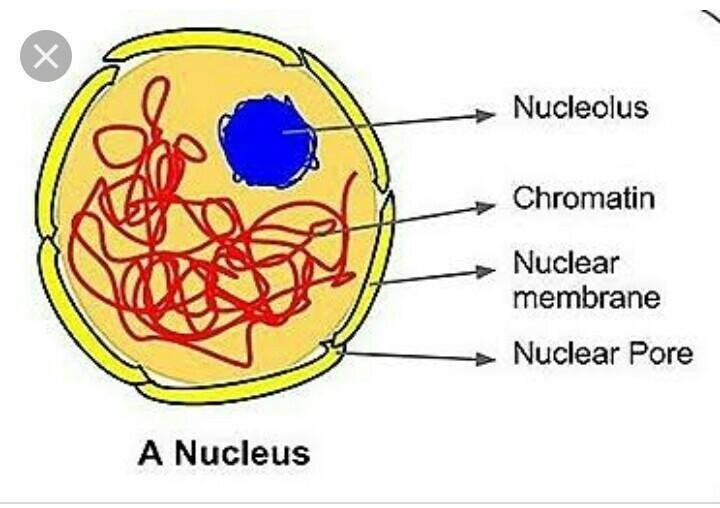
The nucleus is a highly organized structure composed of several important components:
1. Nuclear Envelope
The nuclear envelope is a double-layered membrane that surrounds the nucleus. It acts as a protective barrier, separating the contents of the nucleus from the cytoplasm. The envelope consists of two membranes:
- The outer membrane, which is continuous with the endoplasmic reticulum
- The inner membrane, which helps maintain the shape of the nucleus
2. Nuclear Pores
Embedded within the nuclear envelope are tiny openings called nuclear pores. These pores regulate the movement of molecules between the nucleus and the cytoplasm. Essential substances such as RNA and proteins pass through these pores in a controlled manner.
3. Chromatin
Inside the nucleus, DNA is not found in a loose form. Instead, it is organized into a complex structure called chromatin, which consists of DNA wrapped around proteins known as histones. Chromatin appears as a thread-like structure and becomes more condensed during cell division to form chromosomes.
4. Nucleolus
The nucleolus is a dense, spherical structure within the nucleus. It is responsible for producing ribosomes, which are essential for protein synthesis. The nucleolus synthesizes ribosomal RNA (rRNA) and assembles it with proteins to form ribosomal subunits.
5. Nucleoplasm
The nucleoplasm is a gel-like substance that fills the interior of the nucleus. It supports the components of the nucleus and provides a medium for chemical reactions to occur.
Functions of the Nucleus
The nucleus performs several crucial functions that are essential for the survival and proper functioning of the cell:
1. Storage of Genetic Material
The nucleus stores the cell’s DNA, which contains the instructions needed for growth, development, and reproduction. This genetic information is passed from one generation to the next during cell division.
2. Regulation of Gene Expression
The nucleus controls which genes are expressed and when. By regulating gene expression, the nucleus ensures that the correct proteins are produced at the right time.
3. DNA Replication
Before a cell divides, its DNA must be copied. This process, known as DNA replication, takes place in the nucleus. Accurate replication is essential to ensure that each daughter cell receives an identical set of genetic instructions.
4. RNA Synthesis
The nucleus is the site of transcription, where DNA is used as a template to produce RNA. This RNA then carries genetic information to the cytoplasm, where proteins are synthesized.
5. Ribosome Production
The nucleolus within the nucleus produces ribosomes, which are necessary for protein synthesis. Without ribosomes, cells would not be able to produce proteins required for structure and function.
Importance of the Nucleus
The nucleus is vital for maintaining the integrity and function of the cell. Some key reasons for its importance include:
- Coordination of Cellular Activities: The nucleus ensures that all cellular processes occur in a coordinated manner.
- Genetic Continuity: It preserves genetic information and ensures its accurate transmission during cell division.
- Cell Differentiation: The nucleus plays a role in determining how a cell develops and what function it performs in a multicellular organism.
Nucleus in Plant and Animal Cells
Although the nucleus is present in both plant and animal cells, there are some differences in its position and structure:
- In animal cells, the nucleus is usually located near the center.
- In plant cells, the nucleus is often pushed to the side due to the presence of a large central vacuole.
Despite these differences, the basic structure and function of the nucleus remain the same in both types of cells.
Disorders Related to the Nucleus
Damage or dysfunction of the nucleus can lead to serious health problems. Mutations in DNA or errors in nuclear processes can result in diseases such as cancer, genetic disorders, and developmental abnormalities. Proper functioning of the nucleus is therefore essential for maintaining health.
Conclusion
The nucleus is an indispensable component of eukaryotic cells. It serves as the command center, controlling cellular activities and safeguarding genetic information. Its complex structure allows it to perform a wide range of functions, from DNA storage and replication to RNA synthesis and ribosome production. Understanding the nucleus is crucial for studying biology, genetics, and medicine. As research continues, scientists are uncovering even more about the nucleus and its role in life processes, further highlighting its significance in the living world.