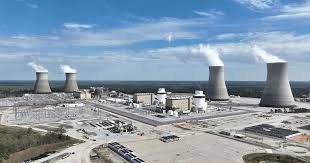

see my montagehttps://omg10.com/4/11211618
Introduction
The world is constantly searching for reliable, powerful, and clean sources of energy to fulfill its growing demands. Among all available options, atomic energy stands out as one of the most potent discoveries of modern science. Derived from the core of an atom, this form of power has revolutionized medicine, space exploration, and electricity generation. Understanding how it works is essential to unlocking its full potential for future generations.
1. The Science Behind Atomic Energy: How it Works
To understand atomic energy, we must look at the smallest particles of matter: atoms. This energy is released through two main scientific processes: Nuclear Fission and Nuclear Fusion. In fission, the nucleus of a heavy atom (like Uranium) splits into smaller parts, releasing a massive amount of heat. On the other hand, fusion happens when lighter atoms combine to form a larger one, which is the exact process that powers our Sun. Currently, commercial power plants around the world rely on fission to produce electricity.
2. Major Advantages of Using Atomic Energy
One of the biggest reasons countries invest heavily in atomic energy is its high efficiency. A tiny amount of nuclear fuel can produce the same amount of electricity as tons of coal or oil. Furthermore, it is a clean source of power that emits zero greenhouse gases during operation, making it a crucial weapon against global warming. Unlike solar or wind power, it provides a stable and continuous supply of electricity regardless of weather conditions.
3. Common Risks and Environmental Challenges
Despite its benefits, atomic energy comes with significant challenges that cannot be ignored. The most critical issue is the management of radioactive waste, which remains dangerous to human health and the environment for thousands of years. Additionally, while rare, accidental meltdowns at power plants (such as the Chernobyl or Fukushima disasters) can have catastrophic consequences. Building and maintaining these high-tech facilities also requires massive financial investments.
4. Important Applications Beyond Electricity
Most people only associate atomic energy with power grids, but its uses extend far beyond electricity. In modern medicine, nuclear technology is used in diagnostics and cancer treatments, such as radiation therapy. In agriculture, scientists use it to develop pest-resistant crops and preserve food for longer periods. It also plays a vital role in deep-space exploration, providing long-lasting power to space probes traveling far from the sun.
5. The Future of Nuclear Innovation
The future of atomic energy lies in safer and more advanced technology. Scientists are currently working on “Small Modular Reactors” (SMRs), which are smaller, cheaper, and much safer to operate than traditional power plants. There is also ongoing research into commercial nuclear fusion, which promises to deliver limitless, clean energy without producing long-lived radioactive waste. If successful, this could solve the world’s energy crisis permanently.
6. Conclusion: Balancing Progress and Safety
In conclusion, atomic energy represents a double-edged sword of modern human achievement. It offers a clear path toward a low-carbon future and provides immense power to fuel global industries. However, its success depends entirely on how strictly we manage its safety risks and handle toxic waste. With responsible governance and continuous innovation, it will undoubtedly remain a cornerstone of global energy development.
Frequently Asked Questions (FAQs)
Q1: Is atomic energy safe for the environment?
A1: Yes, during daily operations, it does not release harmful greenhouse gases or air pollutants. However, safe disposal of radioactive waste is necessary to prevent long-term environmental hazards.
Q2: What is the difference between atomic energy and nuclear energy?
A2: Both terms mean the exact same thing. “Atomic” refers to the energy stored inside an atom, while “Nuclear” refers specifically to the nucleus of the atom where the energy is released.
Q3: Can atomic energy completely replace fossil fuels?
A3: While it cannot replace them overnight, it can work alongside renewable sources (like solar and wind) to replace coal and gas by providing a constant “base-load” of electricity.
Q4: Which material is most commonly used to produce this energy?
A4: Uranium-235 is the most widely used fuel in nuclear reactors worldwide because its atoms split apart very easily during the fission process.