
Radiation is a fundamental concept in science that plays a significant role in our everyday lives, from the sunlight that warms the Earth to advanced medical treatments used in hospitals. Although often associated with danger, radiation is a natural phenomenon that can be both beneficial and harmful depending on its type, intensity, and exposure level. This article provides a comprehensive overview of radiation, its types, sources, effects, and practical applications.
What is Radiation?
Radiation refers to the emission and transmission of energy through space or a medium in the form of waves or particles. This energy can travel through a vacuum, such as space, or through materials like air and water. Radiation is produced by a variety of natural and artificial sources and is present all around us.
Types of Radiation
Radiation is broadly classified into two main categories:
1. Ionizing Radiation
Ionizing radiation carries enough energy to remove tightly bound electrons from atoms, creating ions. This process can damage living tissues and DNA.
Common types include:
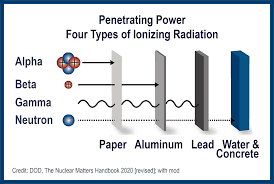
- Alpha particles: Heavy and positively charged particles that have low penetration power. They can be stopped by a sheet of paper or skin.
- Beta particles: Lighter particles that can penetrate the skin but are stopped by materials like plastic or aluminum.
- Gamma rays: High-energy electromagnetic waves with strong penetrating ability. They require dense materials like lead or concrete for shielding.
- X-rays: Similar to gamma rays but produced artificially, commonly used in medical imaging.
2. Non-Ionizing Radiation
Non-ionizing radiation does not carry enough energy to ionize atoms. It is generally less harmful but can still cause damage at high intensities.
Examples include:
- Radio waves: Used in communication systems like radio and television.
- Microwaves: Used in cooking and radar technology.
- Infrared radiation: Felt as heat.
- Visible light: The only type of radiation visible to the human eye.
- Ultraviolet (UV) radiation: Can cause skin damage and sunburn.
Sources of Radiation
Radiation comes from both natural and human-made sources:
Natural Sources
- Cosmic radiation: Comes from outer space and the sun.
- Terrestrial radiation: Originates from radioactive materials in the Earth’s crust.
- Radon gas: A naturally occurring radioactive gas found in soil and rocks.
- Internal radiation: Present in the human body from naturally occurring radioactive elements.
Artificial Sources
- Medical procedures: X-rays, CT scans, and radiation therapy.
- Nuclear power plants: Generate electricity using nuclear reactions.
- Industrial uses: Used in manufacturing and quality control.
- Consumer products: Smoke detectors and certain electronic devices.
Effects of Radiation
The impact of radiation depends on the type, dose, and duration of exposure.
Short-Term Effects
- Skin burns
- Radiation sickness (nausea, vomiting, fatigue)
- Hair loss
Long-Term Effects
- Cancer
- Genetic mutations
- Organ damage
High levels of ionizing radiation can be life-threatening, while low levels are generally considered safe under controlled conditions.
Uses of Radiation
Despite its risks, radiation has many beneficial applications:
1. Medical Field
Radiation is widely used in medicine for diagnosis and treatment:
- X-rays and CT scans help detect diseases.
- Radiation therapy is used to treat cancer by destroying harmful cells.
2. Industrial Applications
- Inspection of materials and structures
- Sterilization of equipment
- Measurement and quality control
3. Energy Production
Nuclear power plants use radiation-producing reactions to generate electricity efficiently.
4. Scientific Research
Radiation helps scientists study atomic structures, chemical reactions, and biological processes.
5. Agriculture
Radiation is used to improve crop varieties and control pests.
Radiation Safety
To minimize the risks associated with radiation exposure, safety measures are essential:
- Time: Limit exposure duration.
- Distance: Stay as far away from the source as possible.
- Shielding: Use protective materials like lead or concrete.
Regulatory organizations establish guidelines to ensure safe use of radiation in various fields.
Conclusion
Radiation is a powerful and versatile phenomenon that influences many aspects of life on Earth. While it has the potential to cause harm, it also provides numerous benefits in medicine, industry, energy, and research. Understanding the types, sources, and effects of radiation allows us to use it safely and effectively. With proper precautions and responsible use, radiation continues to be a valuable tool in advancing science and improving human life.