
Atomic technology has already transformed the modern world in ways we once thought were impossible. From powering entire cities to saving lives in hospitals, its impact is undeniable. But the real question is: what does the future of atomic technology look like? Will it solve global energy problems? Will it become safer and more accessible? Let’s explore this exciting future together.
Introduction to Atomic Technology
Atomic technology is based on harnessing the energy stored inside atoms, particularly within the nucleus. This energy is released through nuclear reactions like fission and fusion.
So far, most of our advancements rely on nuclear fission. However, the future is shifting toward more advanced, safer, and cleaner technologies—especially nuclear fusion.
Why the Future of Atomic Technology Matters
The world is facing major challenges:
- Increasing energy demand
- Climate change
- Limited fossil fuel resources
Atomic technology has the potential to address all these issues. It offers a powerful, low-carbon energy source that could support growing populations and industries.
But can it truly become the backbone of future energy systems? Many experts believe yes—with the right innovations.
1. Rise of Nuclear Fusion
One of the most exciting developments in atomic technology is nuclear fusion.
What is Fusion?
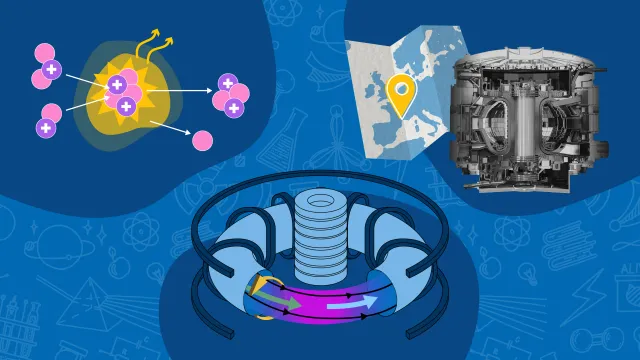
Fusion is the process of combining two light atoms (like hydrogen) to form a heavier atom, releasing enormous energy. It is the same process that powers the sun.
Why is Fusion Important?
- Produces massive energy
- No long-term radioactive waste
- Safer than fission
- Uses abundant fuel (like hydrogen)
Scientists are working on projects like ITER (International Thermonuclear Experimental Reactor) to make fusion a reality.
Imagine a world with unlimited clean energy—that’s the promise of fusion.
2. Small Modular Reactors (SMRs)
Traditional nuclear power plants are large and expensive. The future is moving toward Small Modular Reactors (SMRs).
Benefits of SMRs:
- Lower construction cost
- Faster installation
- Enhanced safety features
- Suitable for remote areas
SMRs can be deployed in developing countries and rural regions, making nuclear energy more accessible than ever before.
3. Advanced Safety Technologies
Safety has always been a concern with atomic energy. However, the future is focused on minimizing risks.
Upcoming Safety Improvements:
- Passive safety systems (no human intervention needed)
- Automatic shutdown mechanisms
- Improved containment structures
- AI-based monitoring systems
These innovations will significantly reduce the chances of nuclear accidents.
4. Nuclear Waste Management Solutions
One of the biggest challenges of atomic technology is radioactive waste.
Future Solutions:
- Recycling nuclear fuel
- Deep geological storage
- Advanced reactors that produce less waste
Scientists are even working on reactors that can reuse existing nuclear waste as fuel. This could solve a major environmental problem.
5. Role in Combating Climate Change
Atomic technology will play a major role in reducing global carbon emissions.
Why Nuclear is Important for Climate:
- Produces near-zero greenhouse gases
- Provides consistent energy supply
- Supports renewable energy systems
Unlike solar and wind, nuclear energy is not dependent on weather, making it a reliable partner in clean energy systems.
6. Expansion in Space Exploration
The future of space exploration heavily depends on atomic technology.
Future Applications in Space:
- Nuclear-powered rockets
- Long-duration space missions
- Colonization of Mars and beyond
Atomic energy can provide continuous power in deep space where solar energy is limited.
7. Medical Advancements
Atomic technology will continue to revolutionize healthcare.
Future Medical Uses:
- More precise cancer treatments
- Advanced imaging technologies
- Personalized medicine using nuclear techniques
These innovations will make treatments more effective and less harmful.
8. Industrial and Technological Growth
Atomic technology will also improve industrial processes.
Future Industrial Uses:
- Smart manufacturing systems
- Advanced material testing
- Improved energy efficiency
Industries will become more productive and environmentally friendly.
Challenges in the Future of Atomic Technology
Despite its potential, atomic technology faces several challenges:
1. High Costs
Developing advanced nuclear systems requires significant investment.
2. Public Concerns
Many people fear nuclear energy due to past accidents.
3. Political and Regulatory Issues
Strict regulations can slow down development.
4. Security Risks
Preventing misuse of nuclear materials remains critical.
Overcoming these challenges will be essential for future growth.
Future Trends to Watch
Here are some key trends shaping atomic technology:
- Growth of fusion energy projects
- Increased use of SMRs
- Integration with renewable energy
- AI and automation in nuclear systems
- Global cooperation in nuclear research
These trends indicate a strong and promising future.
Can Atomic Technology Replace Fossil Fuels?
This is one of the biggest questions.
The answer is: partially, yes.
Atomic technology can significantly reduce reliance on fossil fuels, but a complete replacement will require a mix of:
- Nuclear energy
- Solar power
- Wind energy
- Hydropower
A balanced energy system is the most sustainable approach.
Conclusion
The future of atomic technology is full of possibilities. From clean and unlimited energy to breakthroughs in medicine and space exploration, its potential is enormous.
While challenges like cost, safety, and waste management still exist, ongoing research and innovation are addressing these issues step by step.
In the coming decades, atomic technology is expected to become safer, more efficient, and more widely used across the globe.
So, the real question is not whether atomic technology has a future—but how powerful that future will be.